
Loading...
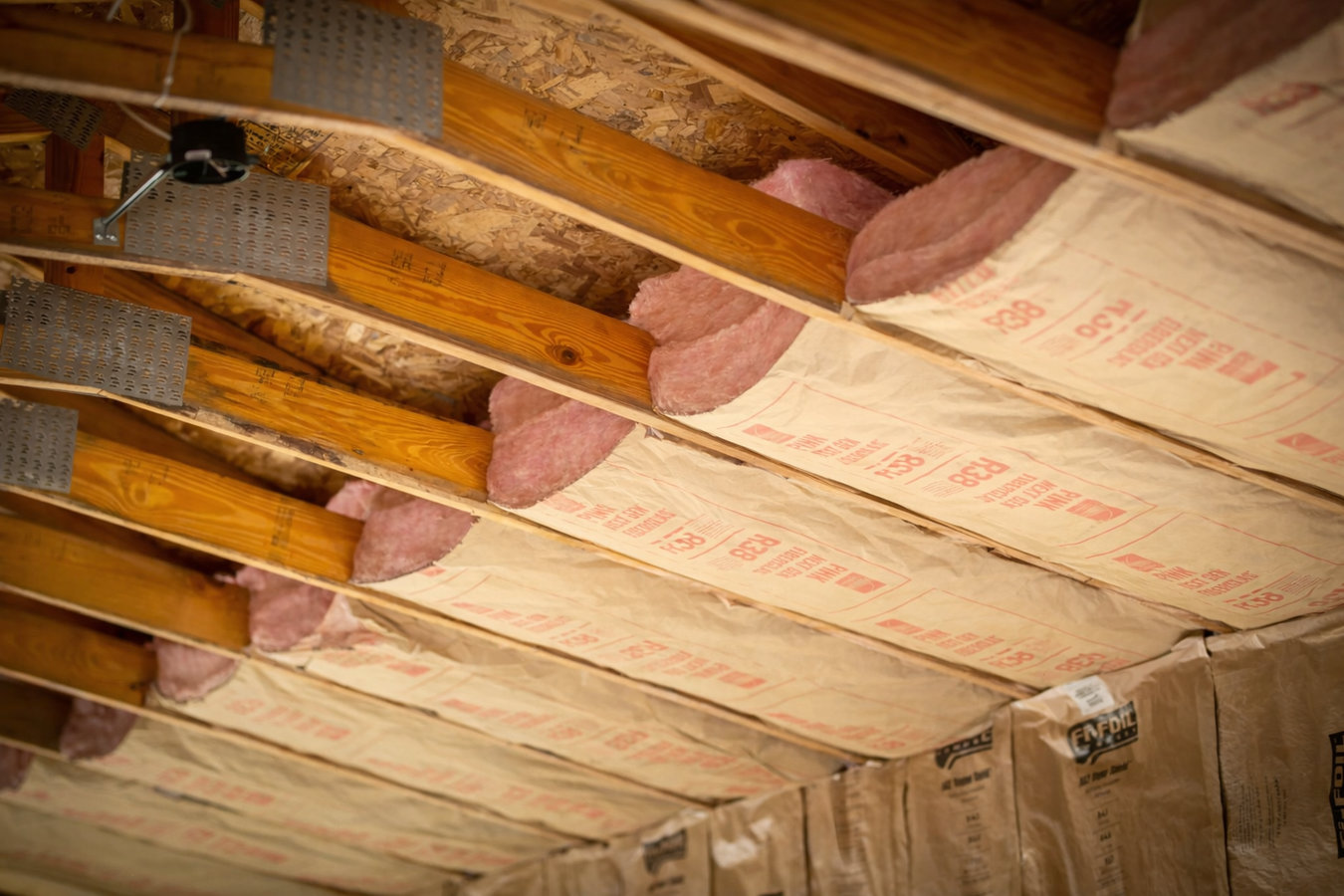
You do not need to gut your walls to fix an under-insulated home. We add insulation to existing attics, walls, and crawl spaces in Big Spring - no tearing out, no moving out, and the improvement shows up on your very next electric bill.
Retrofit insulation in Big Spring means adding insulation to a home that is already built - without tearing out walls or starting over - by blowing, spraying, or rolling new material into attics, wall cavities, and crawl spaces, with most attic jobs completed in a single day and no need to move out or gut anything.
Big Spring sits in a hot, dry West Texas climate where a poorly insulated attic is essentially a furnace sitting directly above your living space all summer long. A significant portion of Big Spring's housing was built in the mid-20th century, when insulation requirements were far less demanding than they are today. Many of these homes have little or no effective insulation in the attic, and virtually none in the walls. If your home was built before the 1980s, a retrofit can make a dramatic difference in both comfort and what you pay to cool it.
One thing that separates a good retrofit from a mediocre one: sealing air gaps before the new insulation goes in. Our attic air sealing work happens first, so the insulation we add on top is not sitting over a leaky shell that lets hot air pour through regardless.
If your cooling costs in June, July, and August feel out of proportion to the size of your home, under-insulation is one of the most common causes. Big Spring's triple-digit summers put enormous demand on air conditioners, and a poorly insulated attic forces your system to work twice as hard to maintain the temperature you set. If your neighbors in similar-sized homes are paying noticeably less, that gap is worth investigating.
Rooms directly under the roof - especially bedrooms in a single-story home - are the first to show the effects of inadequate attic insulation. If one or two rooms always feel stuffy and warm even when the rest of the house is comfortable, heat is likely radiating down from an under-insulated attic above them. This is one of the most common complaints homeowners in older Big Spring homes describe.
If you look into your attic and can clearly see the wooden framing members running across the floor, your insulation layer is too thin. A properly insulated attic should have a deep, even blanket of material that covers those joists completely. This is a quick visual check anyone can do with a flashlight and a look through the access hatch.
Homes built in Big Spring before the 1980s were constructed under much older building codes that allowed far less insulation than is recommended today. If you have owned the home for years and cannot recall any insulation work being done, there is a strong chance the attic is significantly under-insulated by current standards. This is especially true for homes from the 1950s and 1960s, which make up a meaningful share of Big Spring's housing stock.
We start every retrofit job with a full assessment of the home - measuring what insulation is already there, checking for moisture or pest issues that need to be addressed before new material goes in, and identifying air sealing needs. For attics, we typically use blown-in material that fills every corner and odd-shaped area that batts cannot reach as well - the machine runs from outside your home, the hose goes into the attic, and the work is done in a few hours. For walls, we drill small access holes through the exterior, blow dense-pack material into the cavity, and patch the holes - no need to open the interior walls.
For homeowners who need moisture protection in addition to thermal performance, we coordinate retrofit insulation with our home insulation service for a whole-envelope approach. If spray foam is a better fit for a specific area - like an irregular crawl space or a rim joist - we can incorporate spray foam insulation into the same project rather than treating it as a separate job.
Best for under-insulated attics in Big Spring homes built before the 1980s - adds material quickly to the correct depth with no disruption to your living spaces.
Suited for older homes where wall cavities are empty or have minimal insulation - material is blown in through small holes drilled from outside, keeping interior walls intact.
Right for pier-and-beam homes in Big Spring where the crawl space has never been insulated - addresses heat loss from below as well as above.
Ideal for homes that need both - we seal every gap in the attic floor first, then add the new insulation layer on top so the two work together the way they are supposed to.
Big Spring sits at about 2,400 feet above sea level on the open Llano Estacado - flat, exposed terrain with few trees and nothing to block the wind or shade the roof. Summer temperatures regularly exceed 100 degrees, and the sun beats down on rooftops for months. An under-insulated attic in this environment is not a minor comfort issue - it means your air conditioner is running almost continuously and still struggling to keep up. Big Spring's dry air also means the West Texas dust that blows through every windstorm finds every gap in an older home's envelope. Sealing and insulating those gaps reduces both the thermal load and the dust infiltration at the same time. The North American Insulation Manufacturers Association notes that quality insulation installed correctly can last 20 to 30 years or more, making it one of the most durable home improvements you can make.
The dry climate also means that mold in insulation is uncommon here - but pest intrusion in older blown-in attic insulation is a real concern. Rodents and insects can degrade older material over the decades, and if that is the situation we find during the assessment, we address it before any new insulation goes in. Homeowners in Forsan and Garden City face the same conditions, and we bring the same inspection-first approach to every retrofit job across Howard County and the surrounding region.
We ask a few basic questions - your address, the age of your home, and what has been prompting your concern. We reply within one business day and schedule a free in-home assessment before giving you a price.
We visit your home, look at your attic, check existing insulation levels, and identify any air leaks or moisture issues. This visit typically takes 30 to 60 minutes, and you receive a written estimate before we leave or shortly after.
The crew runs a large hose from their equipment outside into your attic and blows material to the specified depth. Air sealing is done first if it is part of the scope. A typical single-story Big Spring home takes three to five hours from setup to cleanup.
Before we leave we walk you through what was done - ideally showing photos of the finished attic. We give you a receipt listing the material used and the depth achieved, which you will need if you claim a federal tax credit or sell your home.
We assess your home before we quote, explain exactly what we find, and give you a written estimate with no pressure to sign the same day.
(432) 263-5195Every retrofit estimate starts with a physical visit to your home - not a price over the phone. Older homes in Big Spring are not all the same, and what we find during the assessment determines exactly what the job needs. No surprises when the crew shows up.
Skipping air sealing and just blowing insulation on top is one of the most common reasons homeowners do not see the savings they expected. We seal first so the insulation we add actually performs the way it is supposed to - not just on paper but in your real home.
Big Spring's older neighborhoods have specific characteristics - brick construction, caliche soil, homes from the 1950s and 1960s that have never had insulation touched. We know what to look for, what questions to ask, and how to handle the conditions common in this housing stock.
We give you a written record of what was installed and the depth achieved. This matters for the federal energy efficiency tax credit, for utility rebate applications, and for any future sale of your home where buyers and inspectors will ask.
A retrofit insulation job done right lasts 20 to 30 years. Every home we work on gets the same thorough assessment, the same honest explanation, and the same standard of installation - whether the project is a single attic or a whole-home upgrade.
Spray foam fills irregular cavities and provides both insulation and air sealing in a single application - suited for attics, rim joists, and hard-to-reach spaces.
Learn MoreWhole-home insulation assessment and installation covering every part of the thermal envelope - attic, walls, crawl space, and basement in one coordinated project.
Learn MoreWest Texas summers do not wait - the sooner your attic is properly insulated, the sooner your home gets comfortable and your bills come down. Call or request a free estimate and we will get you on the schedule.