
Loading...
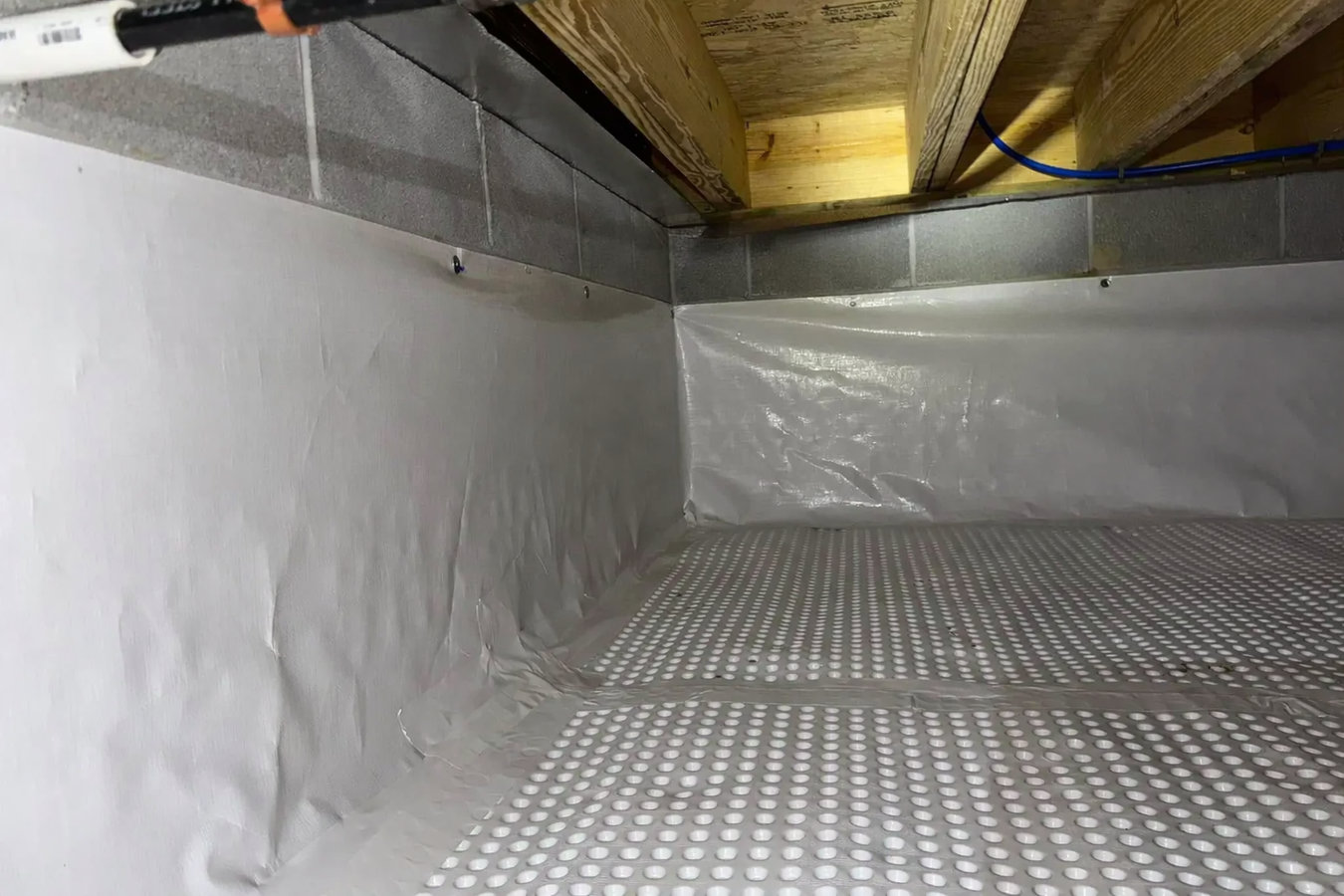
Floors that feel warm in summer and cold in winter are a sign the space underneath your home is unprotected. We insulate and vapor-barrier crawl spaces so your home holds its temperature and your AC runs less.
Crawl space insulation in Big Spring acts as a thermal blanket between the ground and your living space above, blocking ground heat in summer and holding warmth in winter, with most jobs completed in a single day and no disruption to your daily routine.
Without insulation under the floor, outdoor temperatures bleed directly up into your home - making your AC work harder all summer and driving up energy bills month after month. Many homeowners in older Big Spring neighborhoods have never had this addressed, and it is one of the most overlooked reasons for unexplained energy cost increases. If you already know you have moisture concerns down there, combining crawl space insulation with a crawl space vapor barrier is typically the right two-step approach - and we can handle both.
We start with an inspection so you know exactly what is down there before you spend a dollar. No guessing, no pressure.
If walking across your kitchen or living room floor feels uncomfortably warm during a Big Spring summer or cold on a winter morning, that is a strong sign the crawl space below has little or no working insulation. The floor should feel close to room temperature, not like a reflection of what is happening outside. This is one of the most common complaints from older-neighborhood homeowners in Big Spring.
If your electric bill has been higher than expected during the long West Texas cooling season and you have not changed your habits, a poorly insulated crawl space could be the reason. Heat from the ground and outside air enters through the crawl space and forces your AC to run longer. Many Big Spring homeowners are surprised to find this is the single biggest factor behind unexplained energy cost increases in older homes.
Take a flashlight and look through your crawl space access point. If you see insulation hanging down, large gaps between sections, or areas with no insulation at all, the system is not doing its job. Sagging is especially common in homes where original fiberglass batts were never properly secured and have simply fallen away from the floor joists over the years.
Big Spring's rodent population is active, and crawl spaces are a favorite nesting spot. If you have heard scratching under the floor, found droppings near the crawl space hatch, or had a pest company confirm activity, existing insulation may be shredded and displaced. Rodents tear fiberglass insulation apart to use as nesting material, leaving sections completely unprotected.
We assess each crawl space on its own terms before recommending anything. The two main approaches are floor-joist insulation - where material is installed against the underside of your floor - and full encapsulation, where the crawl space walls are insulated and the floor is sealed with a heavy-duty vapor liner. The right choice depends on whether your crawl space is vented to the outside or sealed, and we determine that during the initial inspection, not by guessing over the phone.
If old or damaged insulation needs to come out first, we handle that as part of the job. We also coordinate with our wall insulation and crawl space vapor barrier services when a homeowner wants to address more than just the floor - which is common in older Big Spring homes where multiple systems have gone unaddressed for decades.
Best for vented crawl spaces where the goal is to insulate the floor above without sealing the entire crawl space.
Right for homeowners who want a fully sealed, conditioned crawl space - walls insulated and floor lined with a heavy vapor barrier.
Big Spring sees summer temperatures regularly above 100 degrees and winter nights that can drop into the 20s. That wide seasonal swing means your crawl space insulation has to work in both directions - keeping ground heat out in summer and holding warmth in during the winter months. Most homeowners feel the payoff first during the long cooling season, when air conditioning dominates the energy bill. The open terrain of the Llano Estacado at 2,400 feet also means homes here get full sun exposure with very little natural shade, which puts extra pressure on every part of the thermal envelope including what is underneath the floor.
The clay-heavy soils in Howard County hold water after rain events, and that ground moisture can work its way into an unprotected crawl space even in a generally dry climate. A vapor barrier paired with proper insulation is the standard recommendation from experienced contractors working in this area. Homeowners in Stanton and Garden City face the same soil and climate conditions, and we bring the same approach to every job across the region - inspect first, install to the specific conditions of the space, and leave nothing incomplete.
We ask a few basic questions - home size, whether you have noticed any specific problems, and whether you know if the crawl space is vented or sealed. We schedule a free on-site estimate and reply within one business day of any inquiry.
We physically inspect the crawl space - checking existing insulation condition, moisture, pest signs, and the space dimensions. After the visit you get a written quote breaking down exactly what will be done and what it costs. No ballpark numbers - a real written price after we see the space.
The crew works entirely under the house, so you can go about your normal day. Old material comes out first if needed. Then new insulation and any vapor barrier go in - secured properly with no gaps, sags, or loose sections. Most Big Spring jobs are done in four to eight hours.
Before the crew leaves, we walk you through what was done. Over the following weeks, pay attention to how your floors feel and whether your AC cycles less during the hottest parts of the day - those are the clearest signs the work is performing the way it should.
Free inspection, written estimate, and straight answers about what your crawl space actually needs. No pressure to book anything on the spot.
(432) 263-5195We go into the crawl space before we tell you what you need. Every crawl space is different - vented or sealed, dry or moisture-affected, pest-damaged or intact - and the right solution depends on what is actually down there. We give you a clear picture of what we find before you decide anything.
Howard County soils hold moisture after rain, and we see the damage that creates in crawl spaces all across this area. When moisture is a factor, we include a vapor barrier as part of the plan - not as an upsell, but because insulation without it rarely lasts in this soil type. The EPA recommends moisture control as a foundation step before any insulation work in crawl spaces.
We are locally based in Big Spring and familiar with the specific housing stock and climate conditions of Howard County. That local knowledge changes how the job gets done - from how we handle the soil to how we account for seasonal moisture patterns. Every job starts with a free written estimate and ends with documented results.
Rodents and termites are a documented risk in West Texas crawl spaces, and installing new insulation over an active pest problem wastes the investment. We inspect for signs of activity before recommending materials and coordinate with pest control when needed. According to Texas A&M AgriLife Extension, subterranean termite pressure in West Texas is real and requires proactive management.
Every one of these points reflects how we actually run a job - not just what we put on a website. The fastest way to know if we are the right fit is to call and ask us directly about what we would do for your specific situation.
Insulate exterior and interior walls to reduce heat transfer and improve whole-home comfort.
Learn MoreBlock ground moisture from rising into your crawl space and damaging insulation or wood structure.
Learn MoreBefore West Texas summer takes over your energy bill again, get the space under your home properly insulated. Call now and get a straight answer from a local contractor.