
Loading...
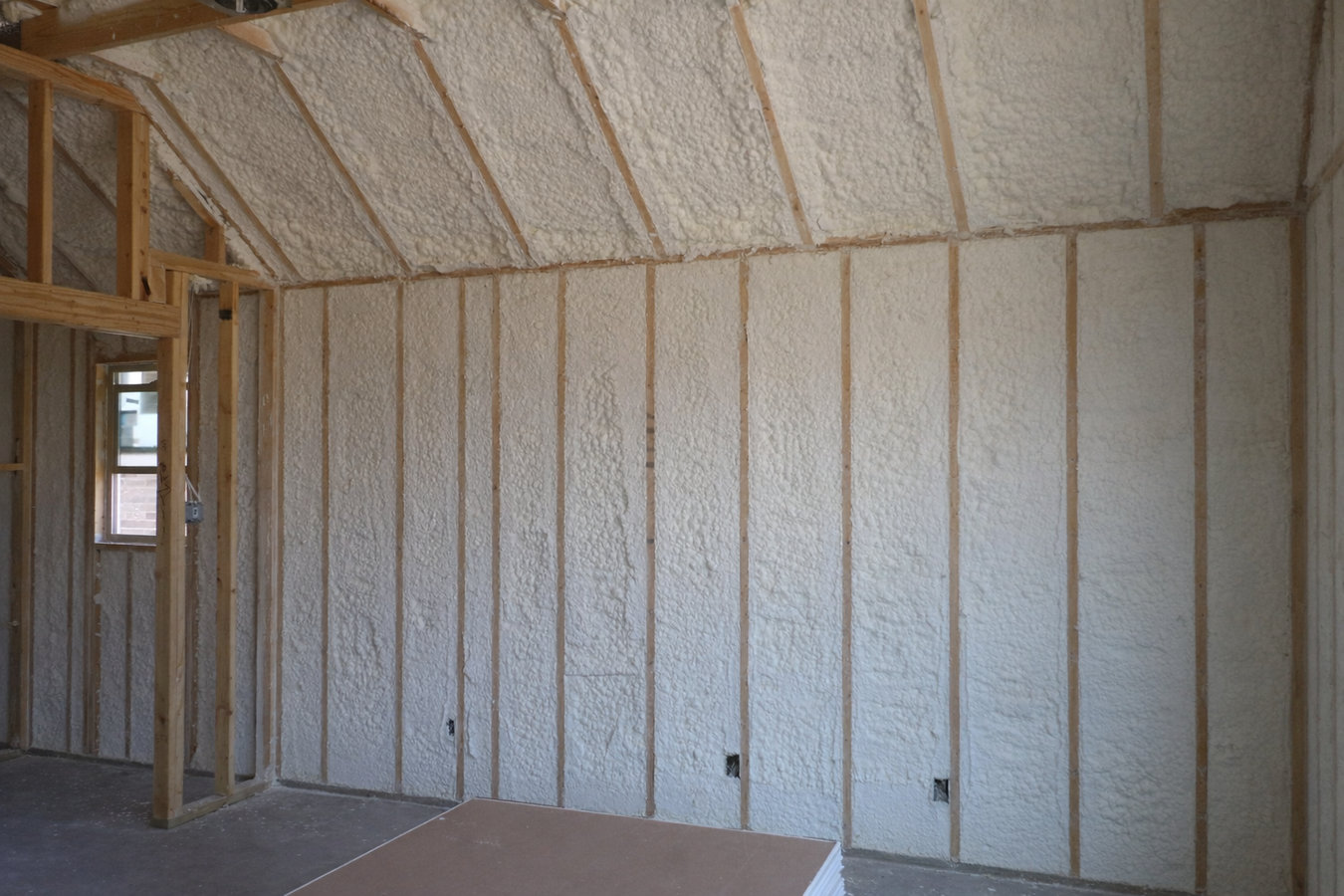
Closed-cell foam insulates and seals air leaks at the same time. For Big Spring homes fighting 100-degree summers, that combination is what keeps your AC from running all day.
Closed-cell foam insulation in Big Spring is a spray-applied material that expands into a dense, rigid barrier on contact with walls, attic decking, or crawl space surfaces. It insulates and seals air leaks at the same time, replacing what would otherwise be two separate jobs. Most installations take one to two days, and because you will need to leave the house for at least 24 hours while the foam cures, planning ahead makes the process smooth.
In a climate like Big Spring's - extreme summer heat, wide daily temperature swings, and occasional wind-driven humidity spikes - closed-cell foam handles conditions that other insulation types struggle with. It does not shift, settle, or compress the way fiberglass batts do over time, and its density resists moisture vapor movement through walls during the late-summer monsoon season. Many homeowners who start researching spray foam insulation in general eventually land on closed-cell once they understand the performance differences. If you want to compare options, open-cell foam insulation is a softer, lower-cost alternative that works well in interior applications where moisture resistance is not required.
When installed correctly, closed-cell foam can last the lifetime of the home - 80 years or more in many cases. That durability makes it a long-term investment rather than a recurring maintenance expense.
If your electric bill climbs dramatically from May through September and your air conditioner runs almost constantly even during moderate afternoons, your home is likely losing cooled air through gaps and poorly insulated walls or attic. Big Spring's intense summer heat means even small air leaks force your system to work much harder than it should.
Uneven temperatures from room to room on a hot July afternoon usually point to inconsistent insulation or air sealing - some areas are protected and others are not. In older Big Spring homes, this is especially common in rooms that share a wall with the attic or an exterior-facing wall that was built with no insulation.
Big Spring is a windy place. If you can feel air moving near electrical outlets on exterior walls or around window frames when the wind picks up, that air is coming from outside through gaps in your home's envelope. Those same gaps let West Texas dust in, which means more cleaning on top of higher energy costs.
If opening your attic hatch in summer sends a wave of extreme heat down into your living space, that heat is radiating through your ceiling all day long. An attic that is not properly insulated and sealed acts like a heat collector sitting directly above your home - one of the biggest drivers of high cooling costs in the Big Spring area.
We install closed-cell foam in attics, exterior walls, crawl spaces, and basements throughout Big Spring and Howard County. Attic applications are one of the most impactful investments you can make in this climate - a sealed, insulated attic dramatically reduces how much heat bleeds down into your living space during the long cooling season. Wall cavity applications are common in older Big Spring homes where original construction included little or no insulation. We also handle crawl space and basement work, where closed-cell foam's moisture resistance is an added benefit during the occasional heavy rain event that West Texas sees.
Every job starts with an on-site assessment. We look at what is currently in place, check for any moisture or pest issues that should be resolved first, and then recommend the right application thickness and coverage for your specific home. We do not spray over problems - if something needs to be addressed before foam goes in, we will tell you. For homes that benefit from a combination of approaches, we can also discuss how closed-cell foam pairs with broader spray foam insulation coverage across multiple areas of the house.
Best for Big Spring homes where attic heat is the primary driver of high cooling bills - seals and insulates the roof deck or attic floor in one application.
Ideal for older homes with no wall insulation - foam fills the cavity, bonds to the surface, and closes air leaks that have been present since the home was built.
Combines insulation and moisture resistance in spaces where fiberglass batts would be vulnerable to the occasional humidity or water event Big Spring sees.
Targets the specific framing details and penetrations where air leakage is highest in most Big Spring homes - often produces an immediate comfort improvement.
Big Spring's climate creates a specific set of demands that closed-cell foam handles better than most alternatives. Summer highs routinely exceed 100 degrees, and overnight temperatures can drop 30 degrees or more in a single day - that constant expansion and contraction stresses building materials and makes air sealing especially important. Closed-cell foam does not shift or settle as the house moves through those thermal cycles, which is why it maintains its performance over time in ways that fiberglass batts cannot. The high winds that come with living on the open Llano Estacado drive dust and outdoor air through every gap in a home's exterior - sealed foam closes those paths. Homeowners in Stanton and across the surrounding region face the same combination of heat, wind, and temperature swings.
A significant share of Big Spring's housing stock was built in the mid-20th century, when insulation standards were far less demanding than they are today. Many of those homes have little or no wall insulation, and attic coverage that has degraded over decades. For homeowners in these older houses, adding closed-cell foam is often the single largest comfort improvement they can make. Our experienced local crews know how these mid-century homes are built, which means fewer surprises and a better result - residents near Andrews and throughout the Permian Basin region benefit from that same protection when vetting contractors for this type of work.
We ask a few basic questions - what area of the house you want insulated, whether it is a new installation or a replacement, and roughly how old your home is. We respond within one business day and can usually schedule an in-person visit within a few days.
We walk through the areas you want insulated, look for moisture or pest issues that should be resolved first, take measurements, and discuss your goals. A written estimate follows within a day or two - no obligation to proceed, no pressure.
You will need to clear access to the work areas and arrange to be out of the house - including pets - for the installation day and the night that follows. Your contractor gives you a specific re-entry time in writing before work begins.
The crew arrives, sets up, and sprays the foam in controlled passes. The foam expands and hardens quickly. Before leaving, we walk through the finished work with you so you can see even, consistent coverage with no gaps - ask to inspect before any drywall goes back up.
We assess first, recommend honestly, and give you a written estimate before any work begins. No obligation.
(432) 263-5195Closed-cell foam installed over existing moisture damage or pest activity will fail and cost you more to fix later. We check first and give you an honest report on what needs to be resolved before foam goes in. That sequence protects your investment and avoids the problems that shortcuts create.
Every closed-cell job starts with a free written estimate that spells out the scope and the price before we begin. When the work is done, we document it so you have a clear record of what went in and where - no guessing and no surprises.
We have been working in Big Spring and surrounding communities since 2019. We know the local housing stock - the caliche soil, the older brick homes, the thermal demands of West Texas climate - and we bring that context to every job. Out-of-town crews do not have that knowledge base.
You should not have to guess when it is safe to return to your home after foam is sprayed. We give you a specific re-entry time in writing before work begins - not after. The EPA and the Spray Polyurethane Foam Alliance provide guidance on safe curing practices that we follow on every installation.
Big Spring homeowners who hire us know that the job will be done right, documented properly, and backed by a local contractor who is accountable to this community. Review the EPA's spray foam safety guidance for independent verification of what to expect from a properly conducted installation.
A softer, more affordable foam option that works well for interior spaces where moisture resistance is not required.
Learn MoreFull-service spray foam installation covering attics, walls, and crawl spaces throughout your home.
Learn MoreSummer is the hardest season on your house and your electric bill - call today and get your installation scheduled.