Loading...
Your attic is the single biggest reason your AC runs constantly in July. The right insulation stops that heat before it reaches your living space - and keeps your bill where it should be.
Attic insulation in Big Spring, TX acts as a thermal barrier between your living space and the heat bearing down on your roof - slowing heat transfer so your AC does not have to run constantly, and most jobs are completed in two to four hours.
In a city where summer temperatures regularly top 100 degrees and attic temperatures can climb past 150 degrees, insulation is not a comfort upgrade - it is a necessity. A significant portion of Big Spring homes were built in the 1950s through 1970s, when insulation standards were minimal. If your home is from that era and has never had insulation work done, you are almost certainly paying more to cool it than you should. Pairing attic insulation with attic air sealing before the material goes in makes a real difference in final performance.
The EPA ENERGY STAR program recommends that homes in West Texas meet specific insulation depth targets - and most older homes here fall well short of those targets. We measure what you have and tell you exactly what needs to be added.
If your electric bill climbs sharply in June and stays high through September, your attic insulation may be failing to block West Texas heat. Homeowners with under-insulated attics can pay significantly more on cooling than they should every summer season.
If bedrooms at the top of your home or rooms directly under the roofline feel noticeably warmer - even with the AC running - heat is likely pushing through from the attic above. This is especially common in Big Spring homes built before the 1990s.
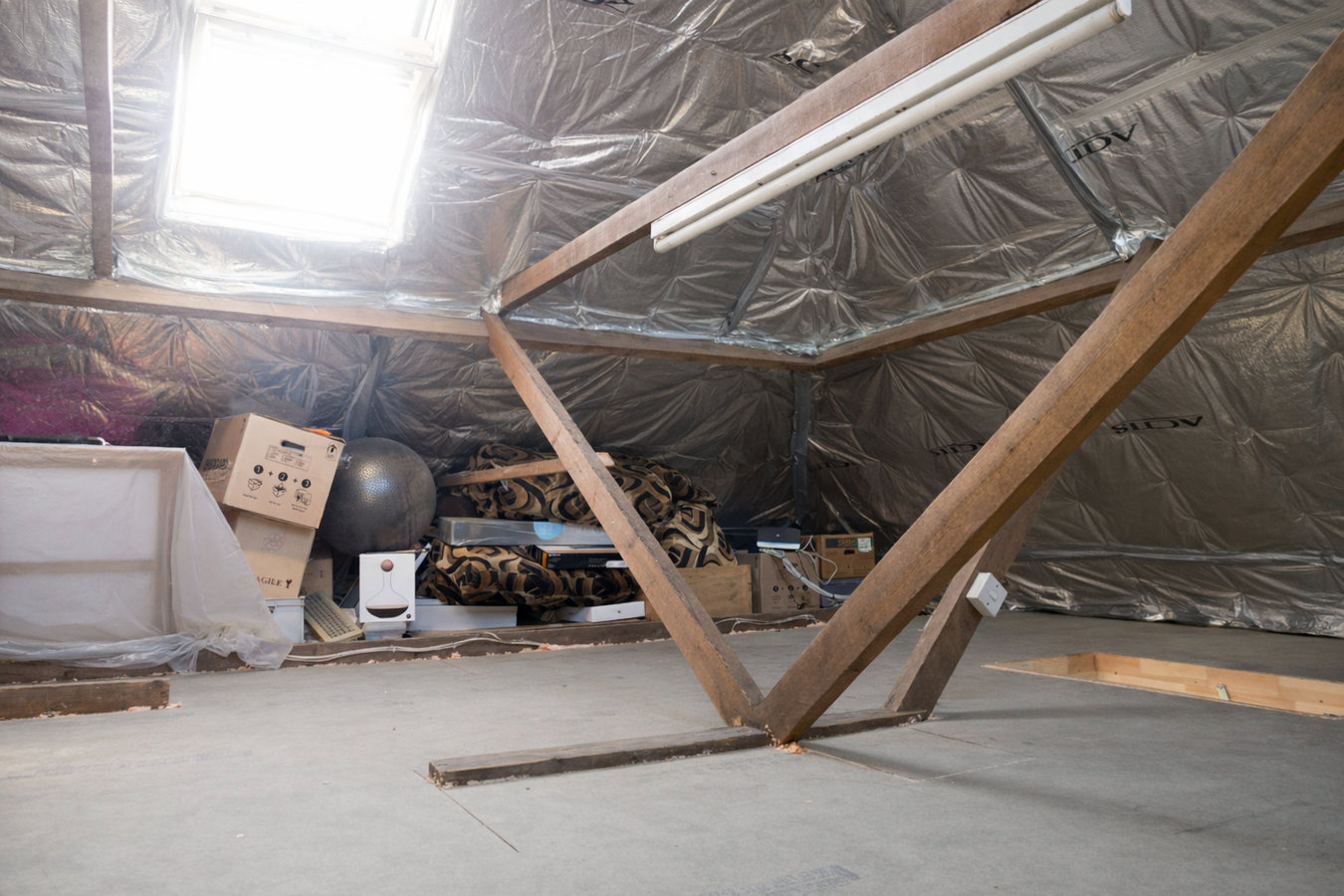
If you peek into your attic and can clearly see the wooden beams running across the floor, your insulation has settled too thin or was never deep enough. Proper insulation should completely cover those joists - if you can see them, you are losing conditioned air.
If you have no record of insulation upgrades in an older Big Spring home, the attic almost certainly falls short of current recommendations. Original insulation from the 1970s or 1980s has had decades to settle and compress - and it was probably not installed to today's standards in the first place.
Big Spring Insulation installs blown-in loose-fill insulation and batt insulation, and we always include air sealing before new material goes in. Blown-in is the most practical choice for attic retrofits in West Texas - it fills around existing framing and odd-shaped spaces more completely than pre-cut batts, leaving fewer gaps for heat to move through. For attics with good access and regular framing, batts can be the right fit. We explain the difference and let you decide what makes sense for your home.
We also coordinate attic insulation alongside blown-in insulation for specific areas of your home and attic air sealing as a combined scope of work. Doing both in one project is typically more efficient and produces better results than spacing them out.
Best for attic retrofits where existing framing is irregular or space is tight - fills completely and achieves even coverage with no cutting required.
Pre-cut rolls suited for attics with regular joist spacing and good overhead access - a practical option for newer homes with accessible layouts.
Sealing gaps around light fixtures, pipes, and the attic hatch before insulation goes in - the step that separates a good job from one that actually performs in West Texas heat.
We measure existing depth, check for moisture damage or settling, and give you a written estimate before any commitment - so you know exactly what the job entails.
Big Spring is one of the windier cities in Texas, and the open terrain of the Llano Estacado gives wind nothing to slow it down. Those conditions drive fine dust and outside air through gaps around attic vents, pipes, and the attic hatch - making air sealing before insulation not just helpful but essential. Homeowners in Big Spring and nearby Colorado City who seal their attics report noticing less dust settling on surfaces near the ceiling - a benefit that matters more in West Texas than most other parts of the state.
Most of Big Spring's housing stock was built between 1940 and 1980, during eras when insulation requirements were minimal or nonexistent. Whatever was originally installed has had decades to settle and compress. Combined with the fact that cooling costs dominate energy bills here - far more than heating - the return on attic insulation in this climate tends to be faster than national averages suggest. The savings start accumulating the day the job is finished. As the U.S. Department of Energy notes, the attic is the highest-impact location in most homes for insulation improvements.
We will ask a few basic questions - square footage, age of the home, any prior insulation work. The call takes about five minutes. We then schedule a time to come out and take a look before any work is agreed upon.
A technician goes up into your attic - usually 20 to 30 minutes - measures what is already there, checks for moisture issues and gaps, and walks you through what they found. You receive a written quote that breaks down air sealing and insulation costs separately.
Clear a path to the attic access point and remove stored items from the attic. You do not need to leave your home. The crew arrives with a blowing machine, seals gaps first, then fills the attic to the correct depth. Most Big Spring homes take two to four hours.
Before leaving, we show you the finished attic or confirm the depth achieved. You receive a written summary - useful for your records and for any tax credit documentation when you file. We clean up and remove all equipment.
We will measure your existing insulation depth, explain what needs to change, and give you a written estimate - no pressure, no obligation. Replies within 1 business day.
(432) 263-5195Big Spring Insulation gives you a free written estimate before any work starts. You know the scope and the price up front, and our experienced crews handle every job start to finish.
Quote requests and estimate inquiries are answered within one business day. We know Big Spring summers are not forgiving, and we do not make you wait.
You receive a written record of the insulation depth achieved. This confirms the job was done to spec and is exactly what you need for a federal tax credit claim.
We seal gaps around light fixtures, pipes, and the attic hatch before laying insulation. Skipping that step leaves performance on the table - we do not skip it.
We know what Big Spring homes look like - older construction, brick exteriors, limited attic access in some layouts - and we have the experience to work through those conditions without cutting corners. The North American Insulation Manufacturers Association recommends a visual check every 10 years on existing insulation. If your home has never had one, we handle that assessment as part of your free estimate.
Blown-in insulation is the material of choice for most attic retrofits in West Texas - it fills odd-shaped spaces completely and reaches corners that batts cannot.
Learn MoreAir sealing your attic before adding new insulation is what separates a good installation from a great one - it closes the gaps that let hot air sneak into your living space.
Learn MoreBig Spring summers do not wait - lock in your installation before the next heat wave and start seeing the difference on your energy bill.